

As vehicles accumulate mileage, part replacement becomes inevitable. Once the warranty expires, choosing where to repair and what parts to use becomes critical. The quality of auto components directly impacts driving safety, especially in today's competitive Chinese automotive parts market. This article explains the differences between genuine, OEM, and aftermarket parts, helping consumers and businesses make informed decisions.
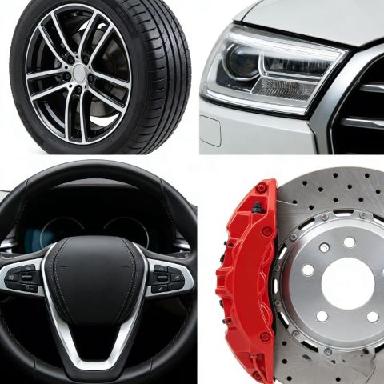
1. Understanding the Three Types of Auto Parts
Genuine Parts (Original Equipment)
- Provided by the vehicle manufacturer, bearing the brand’s logo, identical to the parts installed when the car was new.
- Best for: Owners seeking perfect fitment and maintaining factory warranty coverage.
OEM Parts (Original Equipment Manufacturer)
- Manufactured by the same company that supplies the automaker, matching genuine parts in quality but without the car brand’s logo.
- China’s advantage: Many international brands source OEM parts from China, offering reliable quality at lower cost.
Aftermarket Parts (Branded/Non-OEM)
- Produced by specialized parts manufacturers, ranging from economy-grade to premium performance components.
- Market reality in China: From low-cost consumables to high-end upgrade parts, China’s aftermarket segment is diverse and rapidly evolving.
2. Three Tiers of Suppliers in China’s Auto Parts Market
Factory-Supplied Parts (Genuine/OEM)
- Primarily serve original equipment and authorized service networks.
- China’s strength: Mature supply chains, high standardization, suitable for bulk procurement.
Economy Aftermarket Parts (Low-Tier)
- Often used for wear-and-tear items in budget vehicles, with lower cost and inconsistent quality.
- Caution: Materials and craftsmanship may be inferior, potentially failing to meet original specifications.
Branded Aftermarket Parts (Mid to High-Tier)
- Improved designs based on OE standards, sometimes outperforming genuine parts.
- China’s progress: In areas like brake pads, filters, and suspension components, Chinese brands now compete globally.
3. How to Choose: OEM vs. Aftermarket?
For Reliability and Value:
Choose OEM parts—same quality as genuine, lower price, especially Chinese-made OEM components.
For Performance or Specific Applications:
Consider premium aftermarket brands—ideal for tuning, heavy-duty use, or technology upgrades. Some Chinese brands lead in innovation.
For Low-Cost or Temporary Repairs:
Economy aftermarket parts may suffice short-term, but long-term use is not recommended.
4. Practical Guidance for Buyers
For Workshops & Distributors:
- Bulk sourcing of Chinese OEM parts offers the best value.
- Recommend trusted Chinese branded parts (e.g., brakes, filters) for performance-seeking customers.
For Vehicle Owners:
- Use genuine parts during the warranty period.
- After warranty, consider OEM or certified aftermarket brands—always verify supplier credentials.
For International Buyers:
- China’s OEM and branded aftermarket parts are globally competitive. Segment your procurement based on market needs.
China is not only the world’s factory for automotive OEM components but also an emerging force in the aftermarket space. From genuine to OEM to branded aftermarket parts, “Made in China” now delivers diverse, high-value solutions for every segment of the market. Whether you prioritize safety, performance, or affordability, understanding part types and sourcing wisely ensures a balance of quality, cost, and reliability.