

North vs. South: How to Protect Your Car Chassis from Salt and Humidity
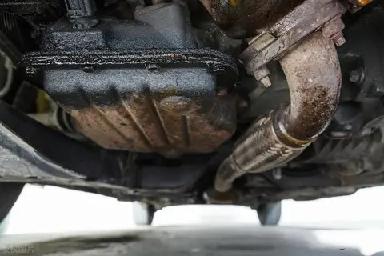
Year-round, your car’s chassis faces silent but serious threats—and the enemy changes depending on where you live. In the North, road salt and chemical de-icers wage a relentless chemical war. In the South, high humidity and persistent rain lead to steady environmental erosion. Though their methods differ, both attackers deliver the same damaging result: rust, corrosion, and premature aging of vital undercarriage components.
The Northern Offensive: Chemical Corrosion from Road Salt
Winter in the North means roads scattered with de-icing agents. These often harmless-looking white pellets are rich in chlorides such as sodium chloride and magnesium chloride. When dissolved in melting snow, they form a highly corrosive electrolyte solution that clings stubbornly to your vehicle’s underbody.
Studies show chloride salts actively break down the protective layers on metal surfaces, leaving alloys exposed to oxidation. The residue tends to accumulate in hidden spots—wheel arches, around the exhaust, inside suspension components—where it can continue corroding metal for months.
The Southern Assault: Electrochemical Erosion from Humidity
Southern drivers face the “steamer” effect of the rainy season. Extended high humidity and frequent rainfall create an ideal environment for rust. Water mixed with abrasive road sand and grit finds its way into underbody panels. The grit acts like sandpaper, wearing down protective coatings, while trapped moisture sparks rust at every new scratch. Experienced mechanics often observe that chassis rust can advance up to three times faster after frequent wet-weather driving.
How the Damage Happens: Two Roads to Rust
In the North, chemical corrosion takes charge. Chloride ions attack bare metal directly, triggering a corrosive chemical reaction. This is especially harmful to cast-iron parts like brake rotors and suspension arms.
In the South, electrochemical corrosion dominates. Here, moisture acts as an electrolyte. When it comes into contact with different metals—or even different areas of the same metal—it creates tiny galvanic cells, generating electrical currents that dramatically speed up oxidation. High humidity also increases acidic condensation in the exhaust system, introducing yet another corrosive factor.
Your Defense Plan: Region-Specific Protection
For Northern Drivers: Focus on Immediate Cleaning and Physical Barriers
Your first line of defense is timely and thorough washing. After snow or ice events, use a high-pressure spray to clean the undercarriage thoroughly within three days. Pay special attention to wheel wells, frame rails, and other crevices where salt collects.
Before winter arrives, consider applying a professional rust-proofing spray or undercoating. Choose formulas that contain wax or resin, which create a durable, salt-resistant barrier over metal surfaces.
For Southern Drivers: Emphasize Drainage and Dryness
Start by improving undercarriage drainage. Installing engine or chassis guards designed with drainage channels can help water flow away quickly rather than pool.
After heavy rains, inspect common water-trapping areas such as the spare tire well, fuel tank shield, and lower body panels. Once a month, use an air gun to blow out moisture from bolt holes and seams, then apply a water-displacing spray or anti-rust agent to keep metal protected.
Essential Maintenance for Every Driver
First, perform quarterly visual checks. Look closely at rubber suspension bushings for cracks, which can trap moisture and corrosive materials.
During routine service, ask your mechanic to tap the exhaust pipe. A dull, muffled sound can indicate thinning metal from internal rust.
If you spot rust, act immediately. Light surface rust should be sanded down and treated with a rust inhibitor or touch-up paint. Left ignored, minor rust can spread quickly—in the humid South, a bracket may weaken in months; in the salted North, corrosion can eat through metal in a single winter.
Staying Ahead: New Solutions to Consider
Awareness and technology are evolving. Some cities now use less-corrosive, acetate-based de-icers. In Southern regions, professional electrophoretic (E-coat) anti-rust treatments offer durable, comprehensive protection. It’s worth asking what type of de-icer is common in your area and exploring professional services suited to your local climate.
By recognizing these regional risks and taking proactive, tailored steps, you can help your car’s chassis endure the “salt-curing” winters of the North and the “steaming” summers of the South—keeping it strong, safe, and reliable for the long road ahead.