

The rapid rise of new energy vehicles (NEVs) has unleashed an unprecedented transformation across the automotive aftermarket, fundamentally reshaping the traditional auto repair and parts supply ecosystem. This shift presents both existential challenges and new opportunities for repair shops worldwide.
The Changing Landscape of Auto Maintenance
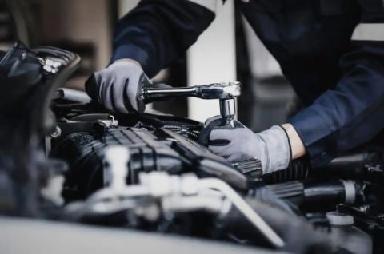
For decades, traditional repair shops thrived on the complexities of internal combustion engine vehicles. Regular maintenance of engines, transmissions, and fuel systems formed the backbone of their business. However, electric vehicles have revolutionized this paradigm with their simplified powertrain architecture centered around batteries, motors, and electronic control systems.
The reduction in mechanical components—eliminating complex engines, multi-gear transmissions, and extensive fuel systems—has significantly diminished traditional repair volumes. Common issues like oil leaks, transmission failures, and exhaust system problems are becoming increasingly rare in the EV era.
The New Technical Challenges
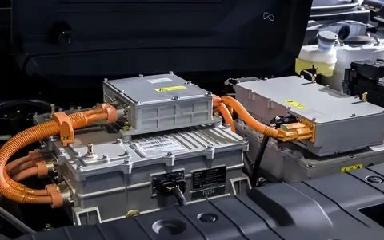
While structurally simpler, electric vehicles introduce sophisticated technological complexities that challenge traditional repair paradigms:
- High-Voltage Systems: Battery packs and high-voltage components require specialized training and certification
- Battery Management Systems: Advanced diagnostics and maintenance of complex battery systems
- Electronic Control Units: Software-based systems requiring specialized diagnostic tools
- Integrated Technology: Advanced driver-assistance systems and connected vehicle technologies
These elements demand a different skillset—one that combines electrical engineering knowledge, software diagnostics, and specialized safety protocols, moving beyond traditional mechanical expertise.
The Transition Imperative
Contrary to predictions of industry collapse, this transformation creates new opportunities for adaptable businesses:
Technical Adaptation
- Investment in specialized diagnostic equipment for EV systems
- Technician training in high-voltage safety and battery maintenance
- Certification programs for EV-specific repair protocols
Service Model Evolution
- Integration of digital platforms for appointment scheduling and remote diagnostics
- Development of predictive maintenance services using vehicle data
- Mobile service units equipped for EV-specific repairs
- Specialization in battery health assessment and management
Business Diversification
- Expansion into EV charging station installation and maintenance
- Development of battery refurbishment and second-life applications
- Collaboration with manufacturers for authorized repair programs
Industry Consolidation and Specialization
The transition will inevitably lead to industry consolidation:
- Smaller shops may merge to pool resources for necessary investments
- Specialized EV service centers will emerge alongside general repair facilities
- Manufacturer-authorized repair networks will expand
- Parts suppliers will shift focus to EV-specific components
The Future of Automotive Service
The automotive repair industry is evolving from purely mechanical service to integrated mobility solutions:
- Hybrid service centers supporting both traditional and electric vehicles
- Increased emphasis on software updates and electronic system maintenance
- Data-driven predictive maintenance replacing reactive repair models
- Collaboration with energy providers for integrated mobility-energy services
The NEV revolution represents not the end of auto repair, but its transformation. Successful adaptation requires strategic investment in technology, training, and business models. Repair shops that embrace this change—developing expertise in high-voltage systems, battery technology, and digital service platforms—will not only survive but thrive in the new automotive ecosystem.
The future belongs to those who recognize that they're no longer just fixing cars, but maintaining sophisticated electronic mobility platforms. This transition, while challenging, ultimately creates a more sophisticated, technologically advanced, and sustainable automotive service industry for the electric age.